Understanding the Craftsmanship Behind Steinway Pianos
A Steinway piano is the result of carefully selected materials, specialized craftsmanship, precise engineering, and techniques refined over generations. From shaping the wooden rim to preparing the soundboard and regulating the action, each stage contributes to the piano’s tone, touch, responsiveness, and longevity.
For musicians interested in experiencing these instruments firsthand, Steinway Piano Gallery of Utah offers an opportunity to explore Steinway pianos and appreciate the craftsmanship behind them.
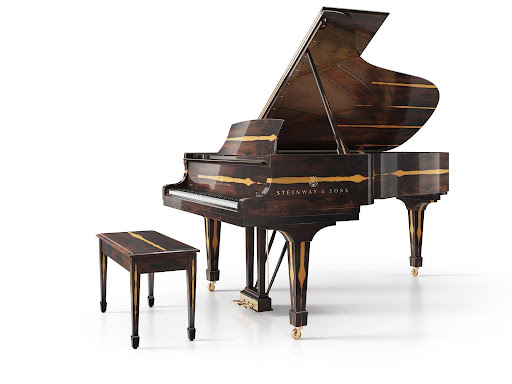.2026-09-22-14-45-14.jpg)
Building a Steinway Takes Time
Creating a Steinway is a lengthy process. A grand piano takes approximately a year to build, with skilled craftspeople overseeing specialized stages throughout production.
Wood preparation is especially important. Materials must be carefully selected and properly dried before becoming part of an instrument. This preparation helps provide the stability needed for components that will experience significant tension, vibration, and environmental changes throughout the piano’s life.
Rather than functioning independently, each component is designed to contribute to the structural and acoustic performance of the finished instrument.
The One-Piece Continuous Bent Rim
One of the defining features of a Steinway grand piano is its one-piece continuous bent rim. The rim is formed from laminations of hard rock maple that are bent together to create the piano’s distinctive curved shape.
This structure does more than define the instrument’s appearance. A grand piano must withstand tremendous string tension while providing a stable foundation for the soundboard and other components.
Rim bending continues to combine hands-on craftsmanship with modern equipment that helps improve precision and consistency. This balance between traditional techniques and technological advancements appears throughout the Steinway manufacturing process.
Selecting Wood for the Soundboard
The soundboard plays a central role in transforming string vibrations into the rich sound listeners associate with a piano.
Steinway soundboards are made from solid Sitka spruce selected for its acoustic properties. The wood must meet exacting standards for characteristics such as grain structure and consistency.
Steinway’s patented Diaphragmatic Soundboard is gradually tapered from the center toward the edges. This design is intended to help the soundboard move efficiently and contribute to the instrument’s sustain, dynamic range, resonance, and tonal color.
Each soundboard must also be carefully fitted to its individual piano. Modern manufacturing technology helps craftspeople achieve precise tolerances while maintaining the acoustic principles behind the traditional design.
Thousands of Parts Working Together
A Steinway grand contains more than 10,000 individual parts, demonstrating the complexity involved in building each instrument.
The piano’s action is one of the most intricate systems. It translates movement from the pianist’s fingers into the motion that causes a hammer to strike a string. Small differences in alignment, geometry, resistance, and adjustment can affect how the keyboard responds.
Hammers also require careful preparation because their shape and condition influence tone. Other components, including the bridges, pinblock, strings, dampers, keys, keybed, and cast-iron plate, must work together with equally careful tolerances.
The quality of a piano depends not only on the materials used but also on how successfully these thousands of components function as a complete system.
Traditional Craft Meets Modern Technology
Steinway craftsmanship does not mean building pianos exactly as they were constructed more than a century ago. Modern Steinway production combines traditional skills with contemporary manufacturing technology.
Digital mapping, computer-controlled equipment, precision machining, and advanced conditioning methods can provide greater accuracy during certain stages of production. At the same time, experienced craftspeople remain essential wherever human judgment, touch, and musical understanding are required.
This combination allows Steinway to preserve important elements of traditional piano building while continually refining how its instruments are produced.
Final Regulation, Voicing, and Tuning
Assembly does not mean a piano is ready to leave the factory. The instrument must be carefully adjusted so its thousands of components work together consistently.
Regulation involves making detailed adjustments to the action so the keys and hammers respond properly. Voicing shapes the tonal qualities of the hammers, helping create balance across the keyboard. Tuning establishes the correct pitch relationships among the strings.
These finishing stages highlight the importance of human expertise. Components can be manufactured with remarkable precision, but the completed instrument still requires careful listening and adjustment to achieve the desired musical result.
This attention also continues after a piano reaches its owner. Professional tuning and technical service help maintain the instrument’s performance over time. Steinway Piano Gallery of Utah provides professional piano tuning, voicing, regulation, warranty service, and other technical services to help owners care for their instruments.
Experience Steinway Craftsmanship in Utah
Specifications can explain how a Steinway is built, but the results of that craftsmanship are best understood at the keyboard. The responsiveness of the action, tonal variation across the keyboard, sustain, and ability to move between delicate and powerful playing all reflect the work that goes into the instrument.
Steinway Piano Gallery of Utah gives musicians, families, educators, and institutions the opportunity to experience Steinway pianos firsthand.
Behind every finished instrument is a combination of carefully selected wood, acoustic engineering, skilled craftsmanship, modern precision technology, and detailed adjustment. Together, these elements help explain what sets Steinway pianos apart and why their craftsmanship remains central to their reputation.